Two very different kinds of "interactive"
San Diego has two museums that get grouped together as "interactive" or "family-friendly" but are actually built for different audiences and different kinds of engagement. The Museum of Illusions is a room-by-room optical illusion experience designed as much for photos as for genuine visual-perception curiosity, and it works for teens, adults, and families alike. The Children's Museum (the New Children's Museum downtown) is built specifically around young children's hands-on, art-based play — it's not really designed with an adult-only visit in mind the way the illusion museum is.
Knowing which one actually matches your group avoids the common mistake of bringing a toddler to a museum built for Instagram photos, or bringing a group of adults to a museum built for six-year-olds.
Museum of Illusions San Diego
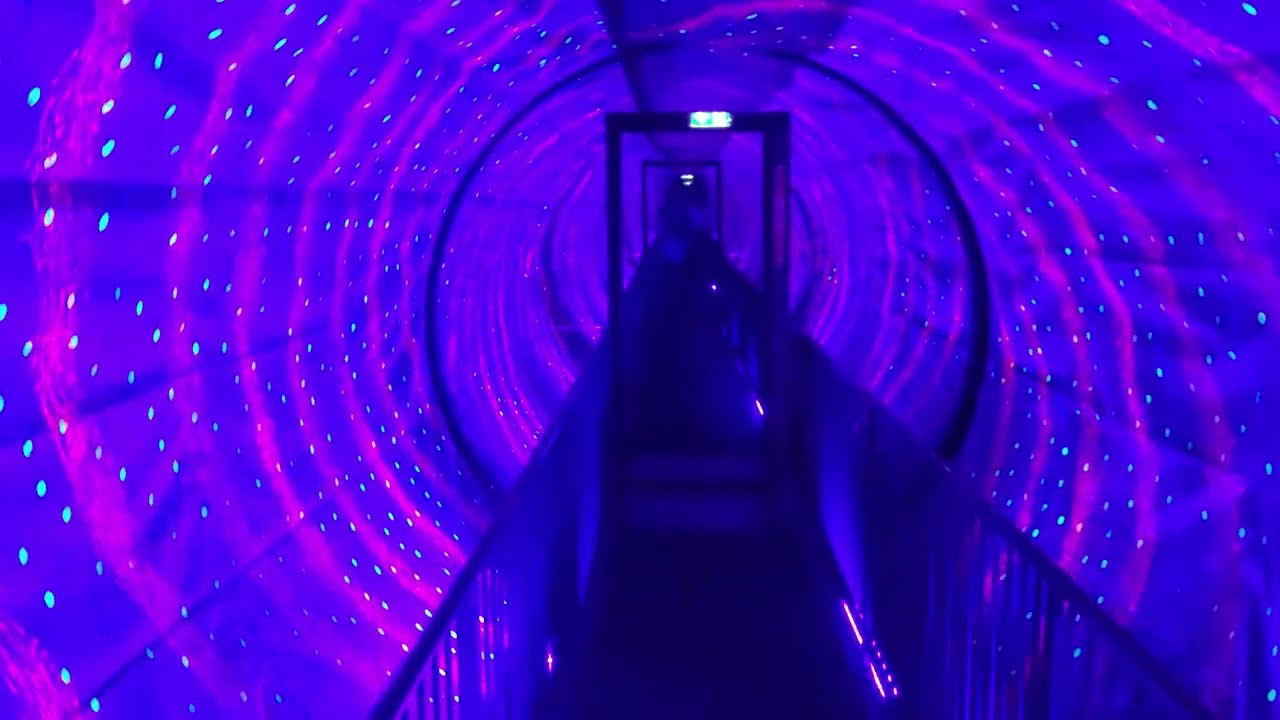
The Museum of Illusions is a series of themed rooms — an upside-down room, a vortex tunnel, holograms, and optical-illusion installations — designed to be experienced and photographed as much as intellectually understood. It's downtown, compact compared to Balboa Park's larger museums, and typically takes 60 to 90 minutes to go through at a normal pace.
A separate WNDR Museum, a different immersive/illusion-style venue with its own distinct exhibits, also operates in San Diego and is sometimes confused with the Museum of Illusions since both trade in a similar "photo-first" immersive format — they're separate businesses with different content, so check which one a specific listing or ticket actually refers to.
Children's Museum San Diego (New Children's Museum)
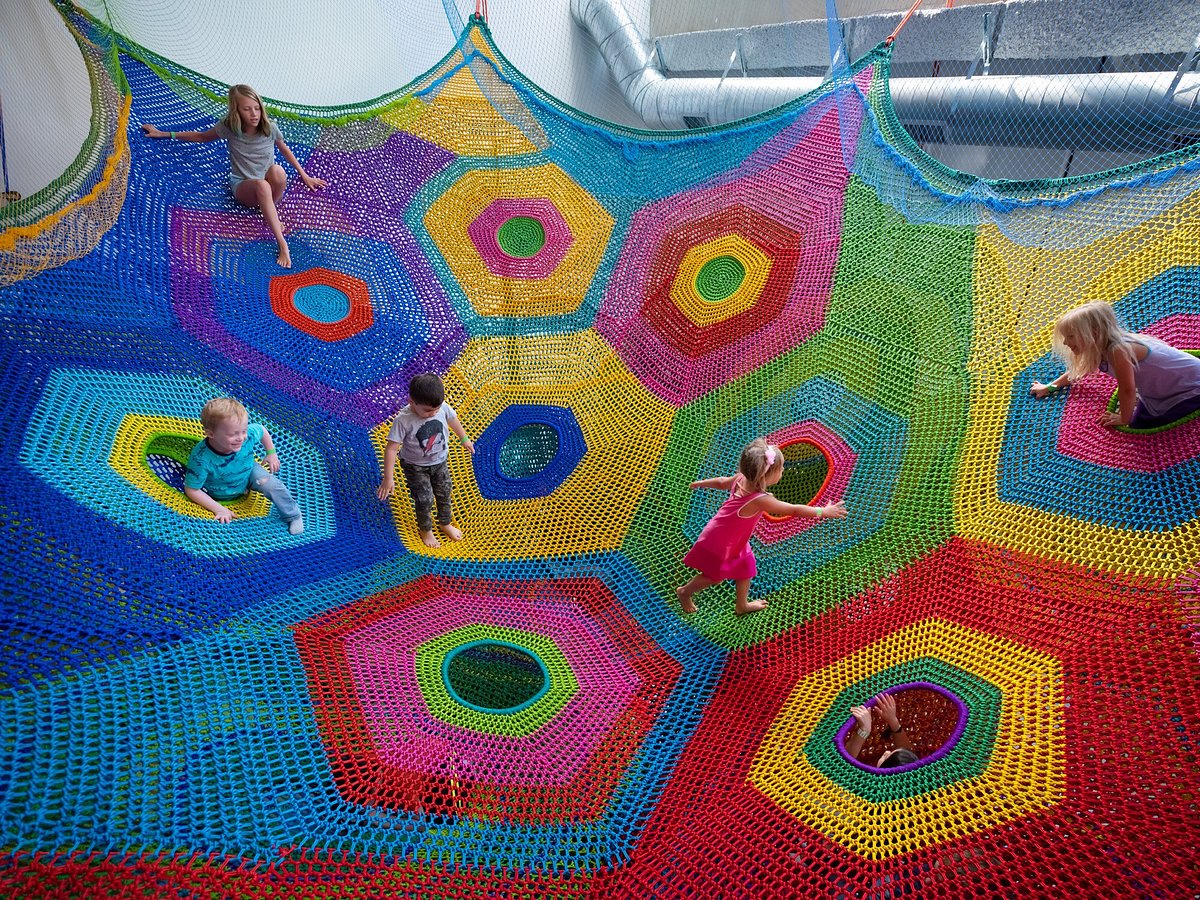
The New Children's Museum, downtown, is designed specifically for children roughly ages 1 through 10, with rotating art-based exhibits built around hands-on play rather than passive viewing — kids build, climb, paint, and interact directly with the exhibits rather than looking at them behind glass. It's explicitly a children's-play space with an art lens, closer in spirit to a well-designed playground than a traditional museum, and works best for families rather than an adult visit on its own.
| Museum | Best for | Typical adult ticket | Time to budget |
|---|---|---|---|
| Museum of Illusions | Teens, adults, families — photo-focused | ~$25 | 60–90 min |
| New Children's Museum | Kids ages 1–10, hands-on play | ~$15 (all ages) | 1.5–2.5 hrs |
Booking ahead
Both museums sell out specific timed-entry slots on weekends and school breaks. The Museum of Illusions in particular tends to book up during peak tourist season since it draws a steady stream of visitors looking specifically for photo content, so reserving online a few days ahead is the safer move for both.
Advanced tip: If you're bringing a mixed group — young kids and teens or adults — splitting into two separate visits (Children's Museum for the youngest kids, Museum of Illusions for everyone else) usually works better than trying to find one museum that satisfies both age groups at once.
Pairing with the rest of your trip
Both museums are downtown, making them easy to pair with the Gaslamp Quarter, Seaport Village, or a stop at the USS Midway Museum on the same day. For San Diego's broader museum landscape, see our complete San Diego museums guide.
How San Diego's interactive museums compare to traditional museums
The core difference isn't just "hands-on versus hands-off" — it's what the museum is optimized for. A traditional museum like the San Diego Museum of Art or the Natural History Museum is built around preserving and interpreting objects: you look, you read, you don't touch, and the museum's job is protecting the collection while still making it legible to visitors.
San Diego's interactive museums invert that entirely. There's very little here that's irreplaceable in the way a 19th-century painting or a fossil is irreplaceable, which frees the exhibits to be built for direct physical contact rather than preservation. That's not a lesser approach — it's a different goal, optimized for engagement and experience rather than conservation.
This distinction matters when you're planning a full day that mixes both types. Visiting a traditional museum right before or after an interactive one works better than trying to blend them into the same block of time, since the pace and behavior expected of visitors — quiet, careful movement versus active, physical play — genuinely differ enough that switching mid-visit tends to leave kids frustrated by the sudden change in rules.
Budgeting a family day across San Diego's museums
Families juggling both traditional and interactive museums in the same trip generally do better spreading them across separate days rather than cramming both into one. A reasonable framework: use interactive museums as a dedicated half-day on their own, ideally in the morning while energy is highest, and save traditional museum stops — Balboa Park, the waterfront ships — for either a separate day or the afternoon, after kids have burned off energy at something built for movement.
| Time of day | Best fit | Why |
|---|---|---|
| Morning | Interactive museum (Illusions or Children's Museum) | Highest energy, best for active play |
| Midday | Lunch downtown or in Balboa Park | Natural reset between activity types |
| Afternoon | One traditional museum stop | Lower-energy, slower pace fits post-lunch mood |
Budget wise, a family of four visiting one interactive museum plus one traditional museum in the same day should expect combined admission in the $120–160 range before food and parking — worth checking whether San Diego Museum Month (February) or a free-Tuesday rotation at the traditional stop can offset part of that. See our free museum days guide for the current schedule.
One is built for a photo, the other is built for a five-year-old's imagination — knowing which is which saves a wasted ticket.
Accessibility at both museums
Both museums are fully wheelchair and stroller accessible on level, step-free floors, which is worth noting since it's not guaranteed at every interactive attraction — some immersive installations elsewhere involve stairs or uneven surfaces by design. The Museum of Illusions does have a small number of rooms with tilted floors or motion effects that aren't suited to every visitor, and staff can flag those on request; the Children's Museum's exhibits are designed from the ground up for a wide range of physical abilities and ages, with sensory-friendly considerations built into several installations rather than added as an afterthought.
What locals do differently from tourists
Visitors on a tight San Diego itinerary often treat these museums as a single quick stop between bigger attractions, but locals with repeat access tend to use them differently — a membership to the Children's Museum in particular gets heavy use from local families specifically because the rotating exhibits mean a two-year-old's tenth visit still offers something new, in a way a static playground never would. For a longer stay or a family that visits San Diego regularly, checking membership pricing against the cost of two or three single-visit tickets is worth doing before defaulting to one-off admission every time.
Booking tips that actually save time
Both museums release timed-entry slots online, and the earliest morning slot of the day consistently has the shortest lines and least crowded rooms for photos — a meaningful difference at the Museum of Illusions specifically, where getting an empty shot of each room takes longer once a second family enters the same space. If your trip allows any flexibility, avoiding the first weekend of a school break at either museum will save real time over a walk-up visit during peak season.
If you only have time for one
Forced to pick just one, the right choice comes down to your group's age range more than personal taste. A family with kids under six should default to the Children's Museum, where the exhibits are physically built for smaller bodies and shorter attention spans. A group of teens, adults, or a mixed-age family with mostly older kids gets more out of the Museum of Illusions, where the photo-driven format and perception science genuinely land better with an audience old enough to appreciate both the joke and the trick behind it.
Planning by map instead of by list? Our interactive San Diego museums map plots both of these downtown museums alongside the rest of the city's museums, with links to official sites.
Frequently asked questions
The Museum of Illusions is built around optical illusion rooms and photo-op installations aimed at all ages, especially teens and adults chasing a good photo, while the New Children's Museum is designed specifically for young children's hands-on, imaginative play with art-based exhibits.
The New Children's Museum is built specifically for young children, with exhibits designed for hands-on exploration and toddler-safe play areas — the Museum of Illusions is less suited to very young kids since several rooms involve stairs, tight spaces, or effects that can be disorienting for toddlers.
The Museum of Illusions works well for adults and is a popular date or friend-group activity independent of having kids along; the Children's Museum is specifically designed around child visitors and is a less natural fit for an adults-only visit.
Both museums sell out specific time slots on weekends and school breaks, so booking online a few days ahead is safer than a walk-up visit, especially for the Museum of Illusions during peak tourist season.