What's inside the Museum of Illusions
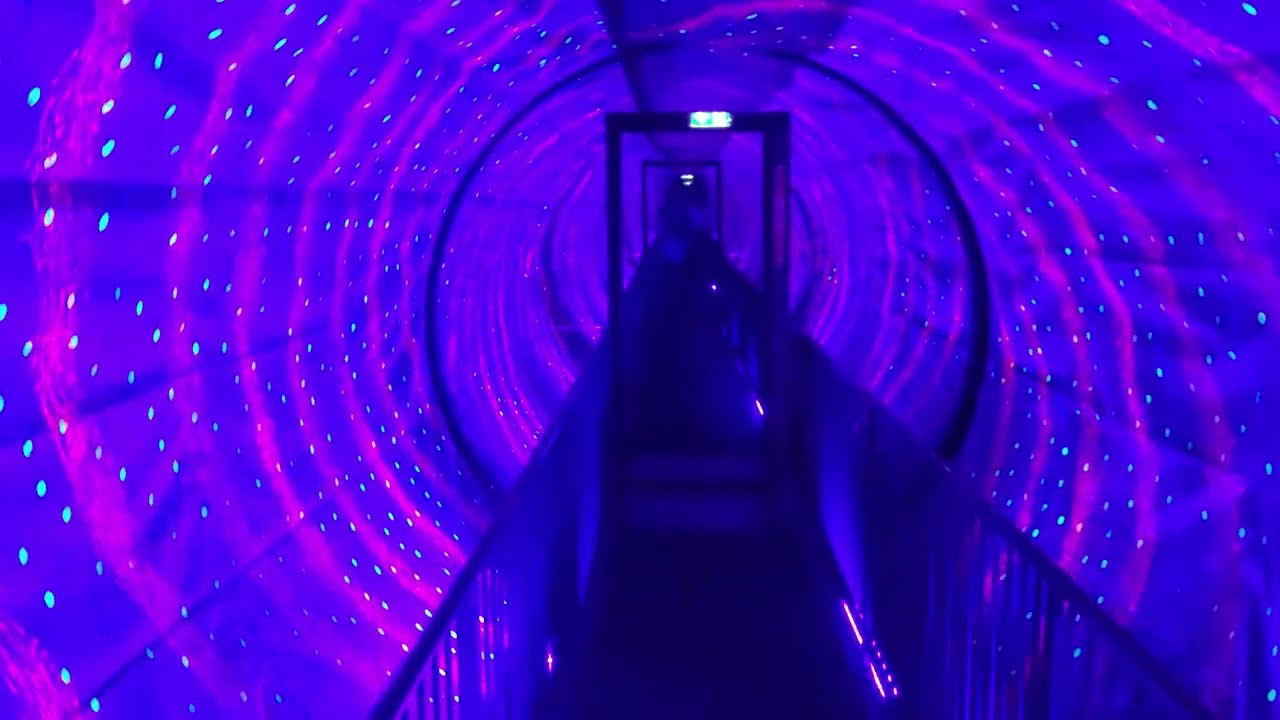
The Museum of Illusions San Diego is organized as a sequence of themed rooms, each built around a specific optical illusion or perception trick — an upside-down room, a rotating vortex tunnel, holographic displays, and installations that play with scale and depth perception. Unlike a traditional science museum's occasional illusion exhibit, every room here is designed around the illusion itself, and most are built as much for a good photo as for genuinely understanding the visual-perception science behind the effect, with some rooms including brief explanatory panels for visitors who want the "why" as well as the photo.
Museum of Illusions vs. WNDR Museum: what's the difference
These two are frequently confused because they occupy the same category — immersive, photo-first, downtown San Diego venues — but they're separate businesses with different content. The Museum of Illusions centers specifically on optical illusions and perception science. WNDR Museum, a separate operation, focuses on large-scale immersive art installations built by different artists, closer to an art-installation format than a science-of-perception one. If a friend recommends "the illusion place downtown," it's worth confirming which of the two they actually mean before booking.
Ticket prices
| Visitor type | Typical price |
|---|---|
| Adult | ~$25 |
| Child | ~$18–20 |
| Senior | ~$20–22 |
Pricing can shift slightly by time slot on busier days, since the museum manages crowd flow through timed entry.
How much time to budget
60 to 90 minutes is typical for a normal walkthrough. Groups focused on getting a photo in every room tend to run longer, since each space is essentially its own individual photo setup rather than something to glance at and move past.
Advanced tip: The visual effects in several rooms — the vortex tunnel especially — can trigger motion sensitivity or dizziness in some visitors. If that's a concern for anyone in your group, ask staff at the entrance which rooms to approach cautiously or skip.
Who this museum is (and isn't) for
It works well for teens, adults, and families with older kids, and is a popular choice for a date or friend-group outing independent of having children along. It's a weaker fit for toddlers and very young kids, since several rooms involve stairs, confined spaces, or disorienting effects. For a museum built specifically around young children instead, see our guide to the Children's Museum San Diego.
Hours and what visitor reviews tend to say
The museum typically runs later than a standard museum schedule, often open daily from around 10am into the evening, sometimes as late as 8pm — a deliberate choice given its downtown tourist-district location and its function as an evening activity as much as a daytime one.
Reviews consistently mention the staff's willingness to help visitors get a good photo in each room, which stands out compared to a typical self-guided museum where staff mostly stay in the background. The most common critique is price-to-time ratio — at 60 to 90 minutes for the ticket cost, some visitors feel it's better suited to a special-occasion visit than a routine one, which is worth weighing against the Children's Museum's longer typical visit time if budget-per-hour matters to your decision.
Accessibility and booking tips
Most rooms are step-free, but a few installations — including sections of the vortex tunnel and certain tilted-room effects — involve uneven or moving surfaces that aren't suited to visitors using mobility aids; staff can point out which rooms to skip if that's a concern. The museum is downtown, so parking means a paid garage or metered street parking rather than a free lot, and it's worth budgeting a few extra minutes for that compared to Balboa Park's free parking.
Weekday visits, particularly mornings, are consistently quieter and mean less waiting to get an uncrowded shot in each room — a genuine consideration here, since photo-taking is central to how most people experience the museum rather than a side activity.
What makes an illusion room actually work
Beyond the photo appeal, each room is built around a specific, real principle of visual perception — forced perspective, afterimage effects, or exploiting how the brain fills in depth cues it expects to see. A handful of rooms include brief signage explaining the underlying science, which is easy to skip past in the rush to get a photo but genuinely adds a layer for visitors curious about why an effect works rather than just that it looks good on camera. That combination — a strong photo payoff with a real explanation available if you look for it — is part of what distinguishes this from a purely decorative photo-op installation.
Every room here is a photo op first and a science lesson second — plan your visit accordingly.
See this museum's downtown location alongside the rest of the city on our interactive San Diego museums map.
Frequently asked questions
No — they're separate businesses. Both are immersive, photo-focused venues in San Diego, but the Museum of Illusions is built around optical-illusion rooms and perception science, while WNDR Museum focuses on large-scale immersive art installations. They're easy to confuse since both market toward the same photo-first audience.
Standard adult admission is around $25, with discounted rates for children and seniors, and pricing that can vary by time slot on busier days.
It works better for older kids, teens, and adults — several rooms involve stairs, tight spaces, or disorienting visual effects that aren't ideal for toddlers or very young children.
60 to 90 minutes is typical, though groups focused on getting photos in every room sometimes take longer, since each room is designed as its own distinct photo setup.