Why Balboa Park has this many museums in one place
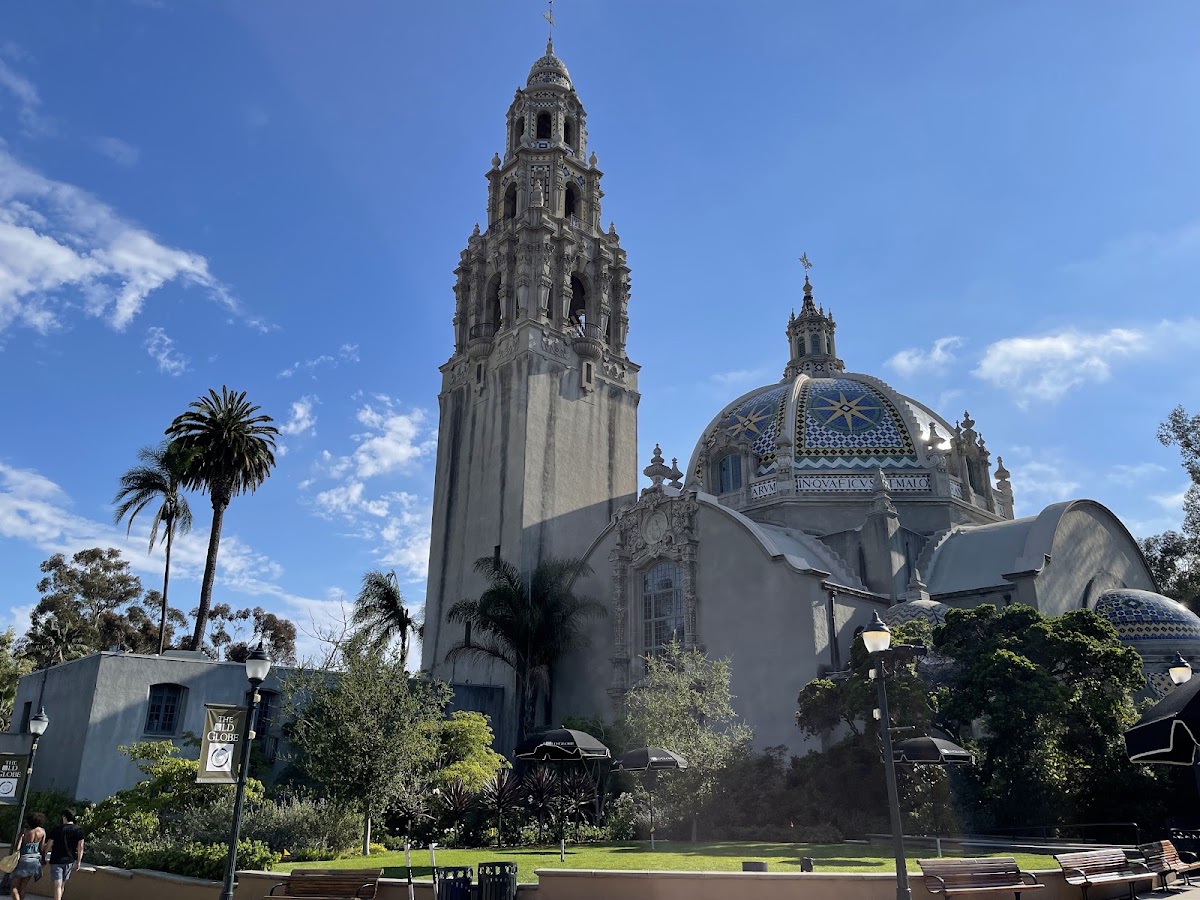
Balboa Park exists in its current form because San Diego hosted two world's fairs on the same site: the Panama-California Exposition of 1915 and the California Pacific International Exposition of 1935. Both fairs left behind permanent Spanish Colonial Revival buildings along the park's central promenade, El Prado, and the city gradually converted most of them into museums instead of tearing them down. That history is why the park's museum architecture looks unusually cohesive for buildings that now house completely unrelated collections — a natural history museum a few hundred feet from a model railroad museum, both inside buildings originally built for exposition pavilions.
The result is a museum campus that's rare in the U.S.: 17 institutions, plus the San Diego Zoo, inside a single walkable park, connected by pedestrian promenades rather than city streets. For visitors this is genuinely convenient — you can pair two or three museums without moving your car. For first-time visitors it's also disorienting, because "visit Balboa Park" isn't a single-stop plan the way "visit the zoo" is.
The major Balboa Park museums, by category
Rather than one long alphabetical list, it helps to think about Balboa Park's museums in four rough categories. Most visitors pick one or two categories and build their day around those.
Fine art and design
The San Diego Museum of Art is the park's flagship fine-art institution, with a permanent collection spanning European Old Masters to Asian art and a rotating slate of major touring exhibitions. Nearby, the Mingei International Museum focuses on folk art, craft, and design from around the world, and the Institute of Contemporary Art San Diego's Balboa Park location shows rotating contemporary work. The Museum of Photographic Arts specializes exclusively in photography, one of the few U.S. museums to do so.
Natural history and science
The San Diego Natural History Museum — locally called "the Nat" — covers Southern California and Baja California's natural history, with a strong paleontology wing. The Fleet Science Center is the park's hands-on science museum, built around an IMAX dome theater and interactive exhibits aimed at a broad age range.
Aviation, transportation, and technology
The San Diego Air & Space Museum covers flight history from early aviation through the space program, with a strong local angle since San Diego was a major aviation manufacturing hub. The San Diego Automotive Museum rotates its vehicle collection through themed exhibits rather than keeping a fixed permanent display, and the San Diego Model Railroad Museum houses some of the largest scale-model railroad layouts open to the public anywhere in the country.
History and culture
The Museum of Us (formerly the Museum of Man) covers anthropology and human history from inside the park's most photographed building, the California Tower. The San Diego History Center focuses specifically on the city and region's own past, and the Comic-Con Museum — a newer addition — covers the history and culture of Comic-Con International and pop art more broadly.
| Museum | Focus | Typical adult ticket | Good for |
|---|---|---|---|
| San Diego Museum of Art | Fine art, touring exhibitions | ~$20 | Art lovers, one anchor visit |
| Natural History Museum | Natural science, paleontology | ~$22 | Families, dinosaur fans |
| Air & Space Museum | Aviation and space history | ~$25 | History buffs, kids |
| Museum of Us | Anthropology, human history | ~$18 | Culture and history |
| Automotive Museum | Rotating vehicle exhibits | ~$14 | Car enthusiasts |
| Model Railroad Museum | Large-scale model layouts | ~$12 | Kids, model train hobbyists |
Free days and San Diego Museum Month
Several Balboa Park museums participate in a rotating free-Tuesday program, where a different museum waives admission each week of the month — the schedule rotates seasonally, so it's worth checking the current calendar before you plan around it rather than assuming last year's dates still apply. Separately, San Diego Museum Month runs every February: half-price passes, distributed through San Diego County library branches starting in late January, are valid at dozens of participating museums for the whole month.
Passes are limited per branch and tend to run out in the first couple of weeks, so early February is the better window than the end of the month. For the full rotating schedule and how to plan around it, see our guide to free museum days in San Diego.
Advanced tip: Several Balboa Park museums offer reciprocal membership discounts through national programs like ASTC (science museums) or NARM (art museums). If you already belong to a participating museum elsewhere in the country, check whether it gets you free or discounted entry here before buying a full-price ticket.
Planning a realistic Balboa Park museum day
- Pick one anchor museum in the category you care most about, and check whether it needs a timed-entry ticket booked in advance — the Air & Space Museum and Fleet Science Center both sell out specific time slots on busy weekends.
- Pair it with a museum in the same cluster of buildings. The Natural History Museum, Museum of Us, and Fleet Science Center are all within a five-minute walk of each other on the Plaza de Balboa side of the park.
- Budget 2–3 hours per museum if you're actually reading exhibits rather than skimming.
- Eat inside the park rather than driving out — the Prado restaurant and several park cafés mean you don't lose parking or walking time.
- Save the Automotive Museum and Model Railroad Museum for a return trip if you're tight on time; both are smaller and easier to slot into a shorter visit later.
Accessibility across Balboa Park's museums
Nearly every Balboa Park museum is fully wheelchair accessible, since most occupy purpose-adapted exposition buildings with elevators added during later renovations — the California Tower above the Museum of Us is the main exception, where the tower itself has more limited access than the museum's main galleries. Free wheelchairs are available to borrow at several museums' front desks, and the park's paved promenades make getting between buildings straightforward for wheelchairs and strollers alike, which isn't true of every historic museum campus.
Balboa Park also runs a free tram service connecting satellite parking areas to the museum core, which is worth using on a busy weekend rather than circling for a closer spot — it saves both time and walking distance if mobility or stamina is a factor for anyone in your group.
A sample two-museum day, mapped out
To make the planning advice above concrete, here's what a realistic day looks like for a family pairing the Natural History Museum with the Air & Space Museum — two of the park's most popular stops, both on the Plaza de Balboa side of the park.
| Time | Activity |
|---|---|
| 9:30am | Arrive, park free near Plaza de Balboa |
| 10:00am–12:15pm | Natural History Museum, including fossil hall |
| 12:15–1:15pm | Lunch at a park café |
| 1:30–4:00pm | Air & Space Museum, including a simulator if booked ahead |
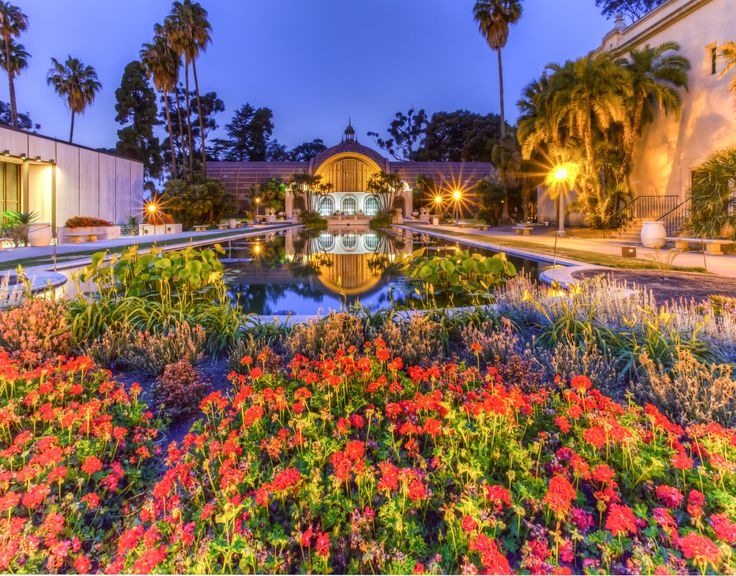
| 4:00pm | Optional: short walk through the Botanical Building before leaving |
This pacing leaves both museums unrushed rather than compressed, which is the most common planning mistake — trying to add a third museum to this same day usually means cutting one of the first two short instead.
Beyond the museums: what else is in the park
It's easy to treat Balboa Park purely as a museum checklist and miss that it's also home to extensive gardens (the Botanical Building and its lily pond are free to enter), live theater venues, the Spreckels Organ Pavilion's free outdoor concerts on Sundays, and the Spanish Village Art Center's working artist studios. None of these require a museum ticket, and building in even 20–30 minutes for the gardens or organ pavilion — both immediately along El Prado — rounds out a museum-heavy day without adding real cost or a separate trip.
Balboa Park isn't a single stop — it's a campus. Treat it like one and the day goes a lot smoother.
Planning by map instead of by list? Our interactive San Diego museums map plots all 17 Balboa Park museums alongside the rest of the city's museums, with links to official sites for current hours.
Frequently asked questions
Balboa Park has 17 museums and cultural institutions, covering fine art, natural history, aviation, anthropology, automobiles, model trains, and more, all within the same 1,200-acre park.
Yes, parking throughout Balboa Park is free, including the large lots near the Spreckels Organ Pavilion and Inspiration Point, though spots fill quickly on weekends and during special events.
Several Balboa Park museums rotate a free Tuesday each month, so a different museum is free on any given week. Outside those days, most museums charge standard admission, though San Diego Museum Month in February offers half-price entry.
If you only have time for one, the San Diego Museum of Art and the Natural History Museum are the two most consistently recommended for a first visit, covering fine art and natural sciences respectively. Families often start with the Air & Space Museum or the Fleet Science Center instead.
Seeing every museum properly would take multiple full days. Most visitors budget one day for two to three museums plus time in the gardens, which is enough to get a real sense of the park without museum fatigue.